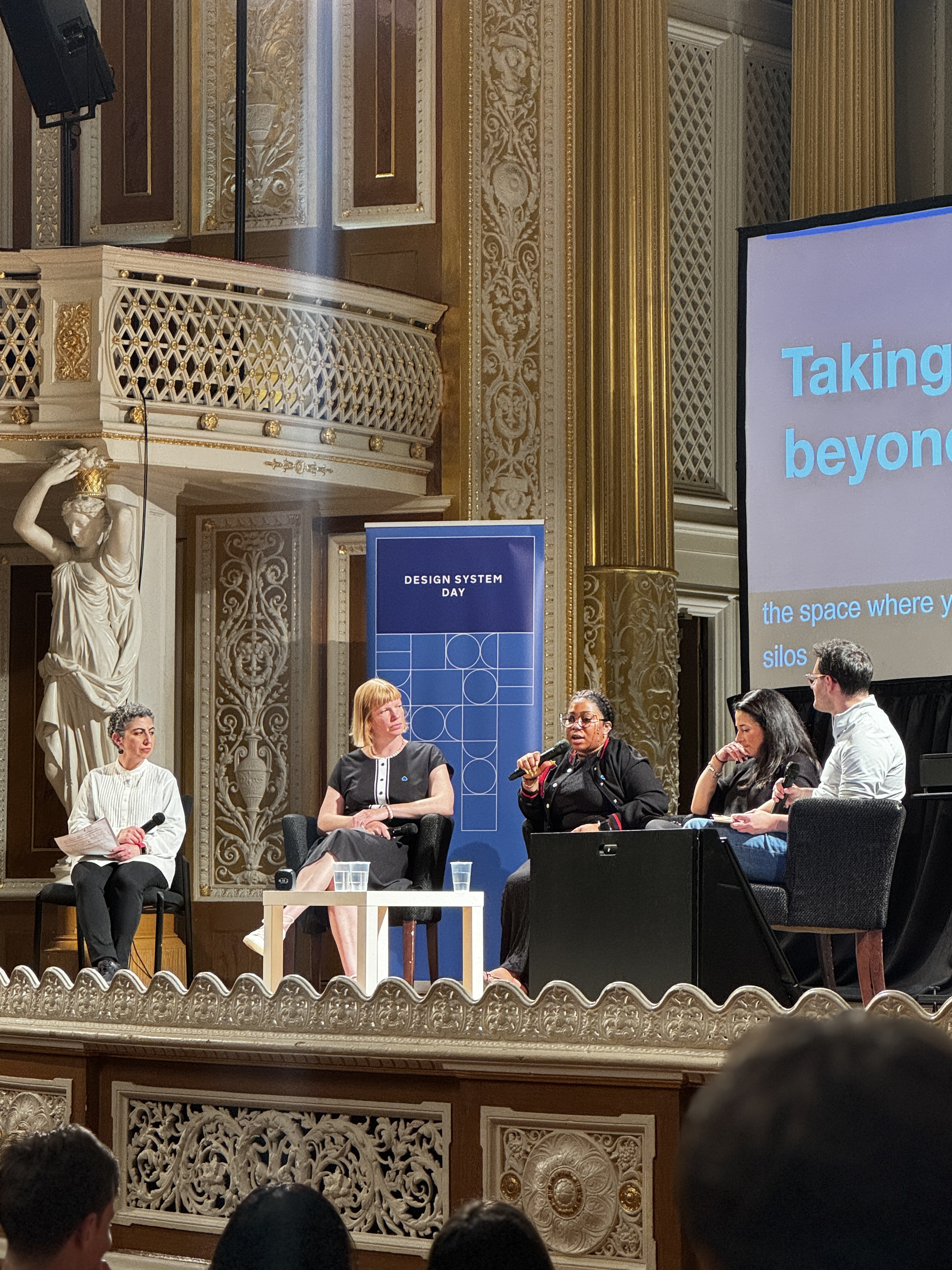

The Story
My career started on the engineering side of the table, years before I would trade writing code for building the documentation around it.
At Interswitch, Africa's leading payments company, I worked as a software engineer building payment solutions and API infrastructure. This involved payment processing, access control, security management, analytics, and the two-factor authentication that secured Interswitch's applications. The products were solid, but developers kept failing to integrate, and no amount of engineering on the backend was fixing it.
I realized the gap wasn’t in the code, but in the communication around it So, I led the documentation revamp. I introduced an open-source tool to consolidate everything scattered across formats, and built a converter that turned Postman collections into structured Markdown automatically, cutting developer onboarding time by 40%. The work was more technically demanding than people expect from writing, and it was closer to the actual user than anything I had shipped as an engineer. I did not want to go back.
Open source became the next chapter.
A colleague once mentioned open source. Out of curiosity, I did my research, got involved, and I started contributing to Jenkins, where thousands of developers were running it on Kubernetes with no official documentation. I helped fill that gap by writing it. I also rewrote 30+ of the most-viewed Wikimedia API pages across multiple programming languages. The Continuous Delivery Foundation named me one of the Top 10 Contributors Shaping the Future of DevOps and Continuous Delivery.
When I landed my first full-time technical writing role, I was promoted to senior writer within a year. Open source had already given me depth that most entry-level hires spend years trying to build.


Since then, I have worked alongside enterprise teams to solve documentation challenges at scale. At Tealium, I focused on building the systems behind documentation, from GitHub deployment pipelines to automated style checks and a clearer site architecture. At Cisco’s ThousandEyes, I owned documentation for the v7 API launch, guiding it from Limited Preview to the platform’s default API while documenting over 300 endpoints across 20 product areas. The API now supports 88% of production API traffic.
My work has also taken me across Google’s developer documentation, blockchain documentation at Rootstock and RIF, and the creation of a five-module curriculum for Magnopus’s Connected Spaces Platform.




As Open Source Programs Manager at She Code Africa, a pan-African non-profit supporting women in technology, I launched a global open-source bootcamp that mentored 500+ African women, paired them with international organisations, and secured over $20,000 in funding from partners including CloudBees and the Continuous Delivery Foundation.
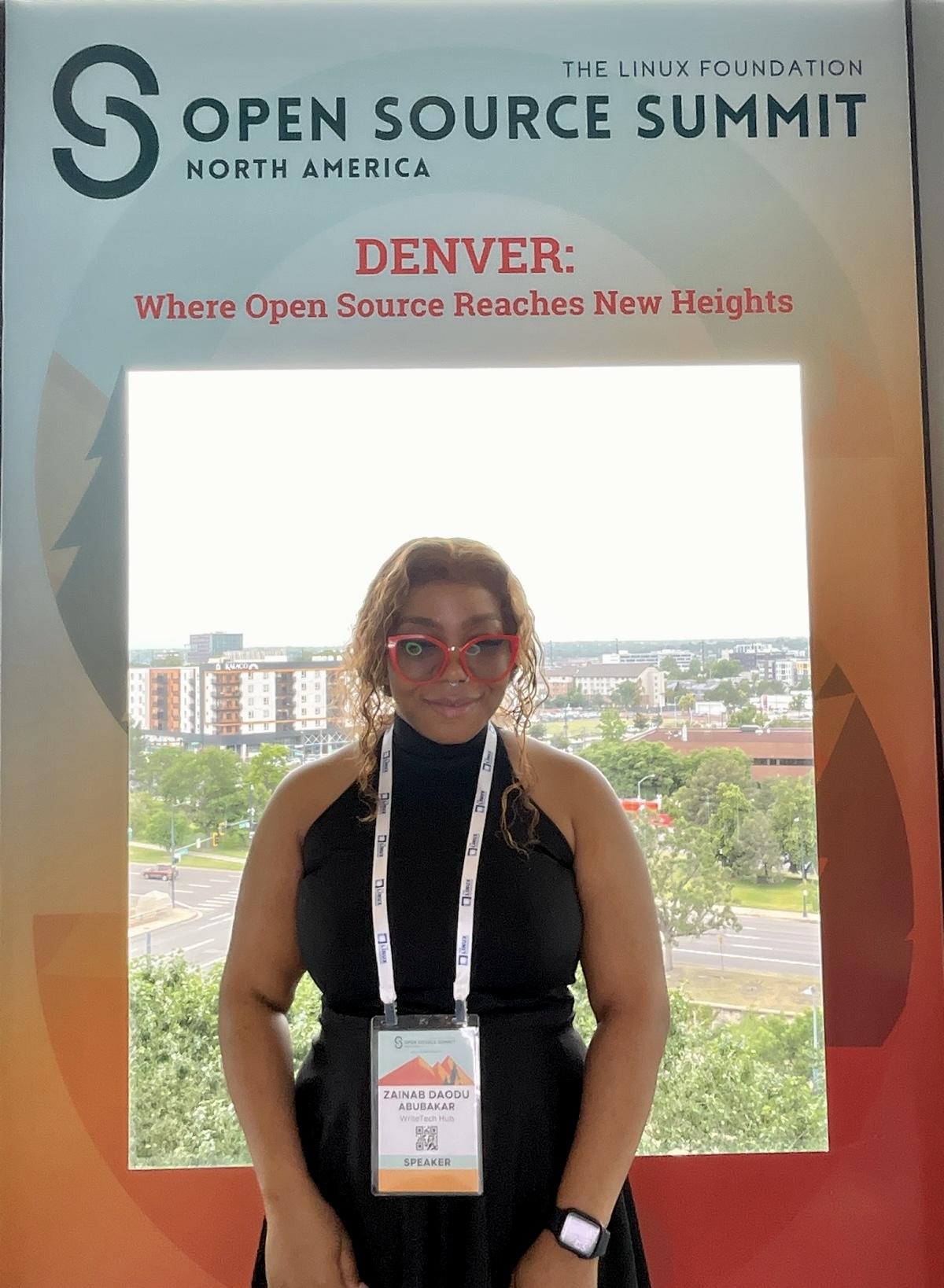
One of those mentees, Ruth Ikegah, went on to become a five-time GitHub Star and open-source board member. Seeing what that support could unlock, I continued building spaces for technical writers to grow. I founded WriteTech Hub after noticing a gap between what companies needed from technical writers and the skills many aspiring writers had access to learn. The community has since trained over 600 writers, many of whom now work at leading technology companies. The Stack Journal later named me one of the five technical writing women you should know.

Tools & Technology
Documentation Tools
Workflow & Operations
AI & Automation
Languages & Markup
Cloud & Observability
Areas of Expertise
API & Developer Documentation
End-to-end ownership of developer documentation, from architecture decisions and OpenAPI specifications to published references and migration resources.
Product Documentation
Strategic documentation for SaaS and developer platforms, focused on adoption, self-service, and user success.
UX Writing
Content design that connects product decisions with user needs through clear, consistent experiences.
Documentation Operations
The processes and tooling that make documentation sustainable, including automation, CI/CD, and docs-as-code workflows.
Education & Recognition
MSc Project Management — Distinction
Teesside University, Middlesbrough
The Stack Journal
Continuous Delivery Foundation
Wikimedia Foundation
BSc Computer Science — Second Class Upper
Al-Hikmah University, Nigeria